Meditation for Beginners Over 50: A Gentle Guide
In this article: A practical, gentle introduction to meditation for people over 50, with simple practices adapted for older bodies and lives, plus what the research shows about aging and mindfulness.
There is a peculiar idea that meditation is mainly for the young, that it belongs to flexible twenty-somethings on yoga mats. The reality is the opposite. Meditation becomes more, not less, valuable as we age. By the time you are past fifty, you have lost people you love, you have weathered career and relationship changes, and you are aware that time is no longer infinite. The questions meditation addresses, how to be present, how to let go, how to meet difficulty with steadiness, become more urgent, not less.
Meditation for seniors is also one of the best-studied areas in the field. Research consistently shows that older adults who meditate experience slower cognitive decline, better sleep, less anxiety, lower blood pressure, and improved balance. The practices are gentle, free, and require no special equipment. They fit well into the slower rhythms of later life. And unlike many healthy habits, meditation tends to get easier with age, because the urgent ambitions of midlife have softened enough to let the mind settle.
I have taught meditation to many older beginners over the years, including my own relatives, and I have seen how the practice adapts. This is a gentle guide for anyone starting meditation in the second half of life, written without assumptions about flexibility, faith, or prior experience.
Why Meditation Is Especially Useful After 50
The benefits of meditation for older adults are wide-ranging and well documented.
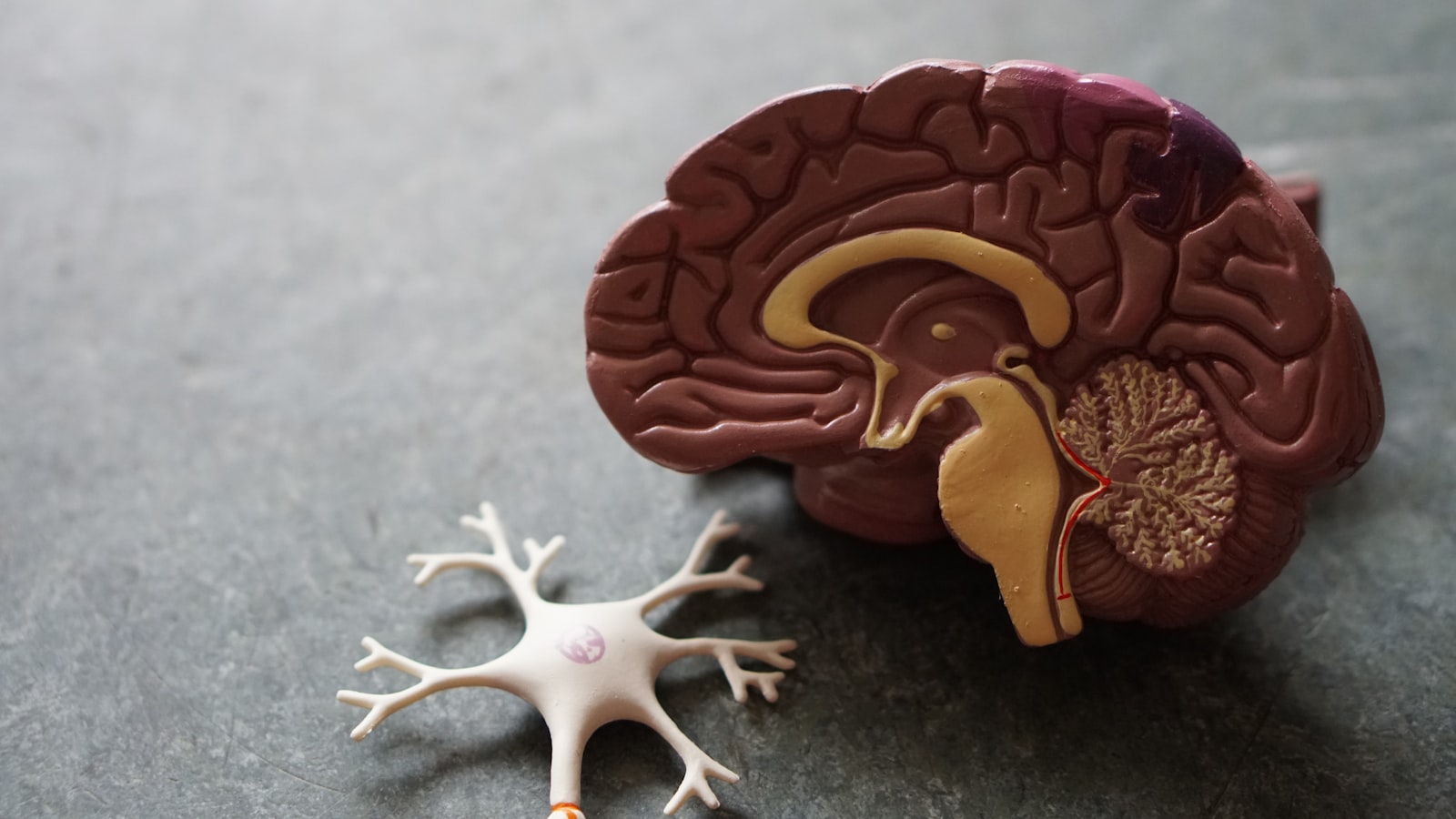
Cognitive health. A 2017 study by researchers at the University of California, Davis found that long-term meditation training was associated with sustained cognitive performance into older age, with effects on attention, working memory, and processing speed. More importantly, even beginners show benefits. A 2021 review in the Journal of the American Geriatrics Society found that older adults who completed an eight-week mindfulness program showed measurable improvements in memory and attention compared to control groups.
Emotional wellbeing. Rates of anxiety and depression often rise in later life, driven by health changes, loss, and life transitions. Meditation is an effective tool for these, as covered in our guides on meditation for anxiety and meditation for depression. Self-compassion practices are particularly valuable for the harsh self-judgment that sometimes intensifies with aging. See our self-compassion meditation guide.
Sleep. Sleep quality tends to decline with age, and sleep medications carry higher risks for older adults. Meditation is a safe, effective alternative. Our guide to meditation for sleep covers specific methods.
Cardiovascular health. High blood pressure becomes more common with age, and meditation has well-documented blood pressure benefits. See our article on meditation and blood pressure for the research.
Pain management. Chronic pain, especially joint and back pain, affects many older adults. Meditation, including body scan meditation, is a proven complement to medical care for pain. See our guide to meditation for pain management.
Balance and fall prevention. Some forms of mindful movement, including walking meditation and standing practices, improve balance and proprioception, reducing fall risk.
In short, meditation addresses many of the challenges that come with aging, without side effects and at no cost. It is one of the most efficient health practices available to older adults.
Starting With the Body: Posture for Older Practitioners
The most common barrier for older beginners is physical. Sitting cross-legged on the floor is often uncomfortable or impossible due to knee, hip, or back issues. The good news is that meditation does not require any particular posture.
Use a chair. A simple straight-backed chair is the best meditation seat for many people over fifty. Sit with the feet flat on the floor, the spine upright but not rigid, and the hands resting in the lap. This is a perfectly valid meditation posture, used by millions of practitioners worldwide.
Use a cushion on a chair. If your lower back tends to round, place a small cushion at the back of the chair seat to tilt the pelvis slightly forward. This stacks the spine naturally.
Try a meditation bench. A kneeling bench, like those covered in our guide to the best meditation bench, can be very comfortable for people whose hips are stiff but whose knees are fine.
Lie down when needed. Lying on the back with bent knees is a good meditation posture for body scan meditation and for sleep practice. The main drawback is a higher chance of falling asleep, which is fine for evening sessions.
Walk instead of sitting. Walking meditation is gentle on joints and is often the best option for older practitioners, especially in the morning.
The principle is simple: comfort and a relatively upright spine matter far more than any traditional posture. There is no spiritual advantage to sitting on the floor in pain.
A Gentle Daily Practice
A good starting routine for older beginners is short, simple, and consistent.
1. Choose a comfortable seat. A chair works well. Sit with feet flat, spine upright, hands in the lap.
2. Settle for a minute. Take three slow breaths and arrive. Feel the weight of the body on the chair, the contact of the feet on the floor.
3. Rest attention on the breath for 10 minutes. Notice the breath at the nostrils or the rise and fall of the belly. When the mind wanders, gently return. This is breath awareness meditation, adapted here for any length of session.
4. End with a moment of gratitude. Before opening the eyes, take a breath and silently acknowledge one thing you are grateful for. This is a gentle version of mindful gratitude practice and pairs well with the reflective quality of later life.
5. Build up gradually. Start with 5 to 10 minutes a day. Add a few minutes every couple of weeks. Many older practitioners find 15 to 20 minutes a comfortable length.
For those who prefer a moving practice, walking meditation at a slow, deliberate pace can substitute for or complement the seated session. This has the added benefit of gentle exercise and improved balance.
Practices That Suit Later Life
Different practices fit different concerns that often arise after fifty.
For anxiety about health or the future: breath awareness meditation and box breathing calm the nervous system quickly.
For sleep problems: body scan meditation and yoga nidra in bed, before sleep.
For chronic pain: the practices in our guide to meditation for pain management, especially the body scan and gentle open awareness.
For grief and loss: loving-kindness meditation and RAIN meditation for difficult emotions.
For memory and cognitive health: daily breath awareness or counting meditation builds the attention and working memory that protect cognitive function.
For balance: walking meditation and standing practices like zhan zhuang, modified for comfort and stability.
Practical Tips for Older Beginners
A few notes help older practitioners establish and maintain a meditation practice.
Be patient with the mind. Decades of mental habit do not change overnight. The mind will wander constantly at first. This is normal, not a sign that meditation is not working.
Be gentle with the body. Never push through joint pain in meditation. Adjust the posture, change positions, or switch to walking or lying practice.
Make it social. Many community centers, libraries, and senior centers offer meditation groups. Practicing with others is motivating and reduces isolation.
Use guided audio. Apps like Calm and Headspace have gentle, well-produced sessions for beginners. See our guides to best meditation apps and Calm vs Headspace.
Pair with a routine. Morning coffee, after a daily walk, before bed. Anchoring meditation to existing routines makes the habit stick.
Discuss with your doctor. If you have any medical conditions, mention that you are starting meditation. It is safe for almost everyone, but your doctor may have specific suggestions or cautions.
Common Questions / FAQ
Q: Is it ever too late to start meditating?
A: No. Studies have shown benefits for people who begin meditation in their 60s, 70s, and 80s. The brain remains responsive to training throughout life.
Q: How long should I meditate as an older beginner?
A: Start with 5 to 10 minutes daily. Many older practitioners find 15 to 20 minutes comfortable after a few weeks. Consistency matters more than duration.
Q: I cannot sit on the floor. Can I still meditate?
A: Absolutely. A chair is a perfectly valid meditation seat. The principles are the same regardless of posture.
Q: Will meditation help my memory?
A: Research suggests it can slow age-related cognitive decline and improve attention and working memory, especially with regular practice over months.
Q: Can meditation replace my blood pressure or sleep medication?
A: No. Meditation complements medical care but does not replace it. Discuss any medication changes with your doctor.
The Bottom Line
Meditation is one of the most valuable practices available in the second half of life. It supports cognitive health, emotional wellbeing, sleep, cardiovascular function, and pain management, with no side effects and at no cost. The practices are gentle and easily adapted to older bodies: a chair is a fine meditation seat, walking and lying practice work well, and short daily sessions beat longer irregular ones. Start with 5 to 10 minutes of breath awareness, build gradually, and treat the practice as a long-term companion. Decades of mental habit will not change overnight, but they will change, and the second half of life can become, against all expectations, the most peaceful yet.
This article is for educational purposes only and is not a substitute for professional medical advice. If you have any medical condition, consult your doctor before starting or changing any health practice.